Wondering is a sewer camera inspection worth the money? Discover how this diagnostic tool finds hidden pipe problems and can save you thousands. Contact us!
Sewer Camera Inspection: What It Is & Why You Need It
 Modern plumbing systems are largely hidden underground, making it difficult to identify the source of drainage and sewer problems without specialized tools. In the past, diagnosing sewer line issues often required excavation or extensive guesswork. Today, a sewer camera inspection WI service provides a more accurate and less invasive way to evaluate the condition of sewer and drain lines.
Whether you’re dealing with recurring clogs, slow drains, unpleasant odors, or planning to purchase a property, a sewer camera inspection can provide valuable insight into the health of your plumbing system. By using advanced imaging technology, plumbers can locate blockages, cracks, root intrusion, and other hidden issues before they become major problems.
What Is a Sewer Camera Inspection?
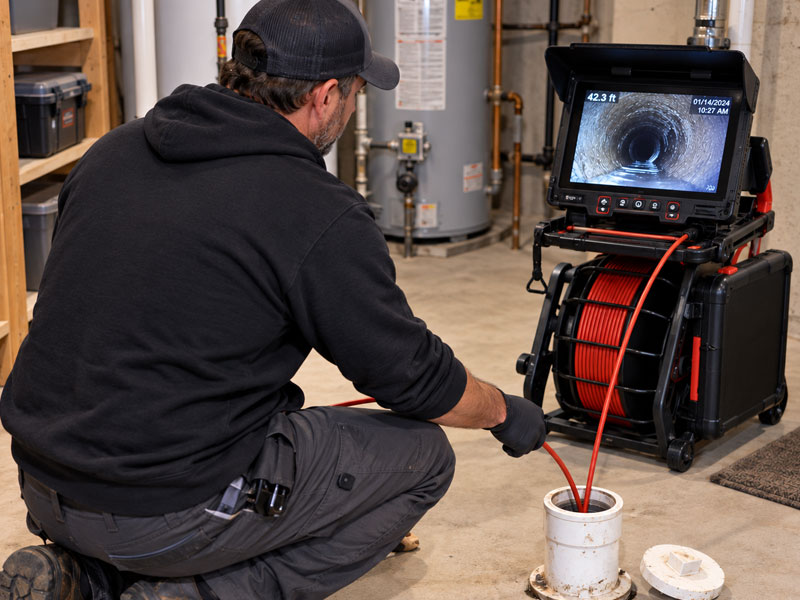
A sewer camera inspection is a diagnostic process that involves inserting a waterproof, high-resolution camera into a sewer or drain line. The camera is attached to a flexible cable and travels through the pipe while transmitting real-time video footage to a monitor above ground.
This technology allows plumbing professionals to inspect underground pipes without digging up yards, driveways, or landscaping. The footage provides a clear view of the interior condition of the pipe, making it easier to identify damage, obstructions, and structural concerns.
A drain inspection camera can be used in both residential and commercial plumbing systems to assess various types of drainage and sewer issues.
How Does a Sewer Camera Inspection Work?
The inspection process is relatively straightforward but highly effective.
Step 1: Accessing the Sewer Line
The technician locates a suitable access point, such as a cleanout, drain opening, or maintenance port.
Step 2: Inserting the Camera
A specialized drain inspection camera is carefully fed into the pipe. The camera is designed to navigate bends and turns commonly found in plumbing systems.
Step 3: Recording and Monitoring
As the camera moves through the line, it captures video footage of the pipe’s interior. The technician watches the footage in real time and records important findings.
Step 4: Identifying Problems
The inspection can reveal:
- Tree root intrusion
- Pipe cracks and fractures
- Grease buildup
- Blockages and debris
- Corrosion
- Pipe misalignment
- Collapsed sections
Step 5: Developing a Repair Plan
After the inspection, the findings help determine the most appropriate repair or maintenance solution.
Why Sewer Camera Inspections Are Important
Many sewer and drain issues develop gradually over time. Without a clear understanding of what is happening inside the pipe, it can be difficult to address the underlying cause.
Accurate Problem Identification
A camera inspection removes guesswork from the diagnostic process. Instead of relying on symptoms alone, plumbers can visually confirm the exact location and nature of the problem.
Preventing Unnecessary Excavation
Before sewer camera technology became widely available, locating underground pipe damage often required exploratory digging. Camera inspections help reduce disruption by identifying the problem area before any excavation begins.
Supporting Long-Term Maintenance
Routine inspections can identify developing issues before they become emergencies, allowing homeowners to plan maintenance and repairs more effectively.
Helping Homebuyers Make Informed Decisions
Older homes may have aging sewer infrastructure. A pre-purchase inspection can reveal hidden sewer problems that may not be visible during a standard home inspection.
Common Problems Found During Underground Pipe Inspections
An underground pipe inspection can uncover a wide range of issues that affect plumbing performance and reliability.
Tree Root Intrusion
Tree roots naturally seek moisture and can enter sewer lines through small cracks or joints. Once inside, roots expand and create significant blockages.
Signs of root intrusion may include:
- Frequent drain backups
- Slow drainage
- Gurgling sounds
- Sewage odors
Pipe Cracks and Breaks
Ground movement, aging materials, and external pressure can cause sewer pipes to crack or break. Even small fractures can allow wastewater to leak into surrounding soil.
Pipe Corrosion
Older metal pipes may corrode over time. Corrosion can weaken pipe walls, reduce flow capacity, and increase the risk of leaks.
Bellied Pipes
A bellied pipe occurs when a section of the sewer line sinks, creating a low spot where water and debris collect. This often leads to recurring clogs.
Grease and Debris Buildup
Grease, soap residue, food particles, and other debris can accumulate over time, narrowing the pipe and restricting flow.
When Should You Schedule a Sewer Camera Inspection?
While inspections can be useful at any time, certain situations make them particularly beneficial.
Recurring Drain Clogs
If drains continue to clog despite repeated cleaning efforts, there may be a deeper issue within the sewer system.
Persistent Sewer Odors
Foul smells around drains or outside the property may indicate damaged sewer lines or trapped waste buildup.
Before Buying a Home
Many hidden plumbing issues are not visible during standard property evaluations. A sewer inspection can reveal potential concerns before purchase.
After Major Storms or Flooding
Heavy rain and flooding can impact underground infrastructure, increasing the likelihood of sewer line damage.
Before Sewer Repairs
A camera inspection provides important information before performing repairs or replacements, ensuring the correct solution is chosen.
The Role of Plumbing Diagnostics in Modern Sewer Maintenance
Advanced plumbing diagnostics have transformed the way sewer systems are evaluated and maintained.
Rather than relying solely on symptoms such as backups or slow drainage, technicians can use camera technology and other diagnostic tools to gather detailed information about pipe conditions.
Benefits of modern plumbing diagnostics include:
- Faster problem identification
- More accurate repair planning
- Reduced unnecessary excavation
- Improved maintenance strategies
- Better long-term system performance
These diagnostic methods help property owners make informed decisions regarding sewer maintenance and repair.
Understanding Sewer Line Inspection Cost
One of the most common questions homeowners ask is about sewer line inspection cost.
The cost of a sewer camera inspection varies depending on several factors.
Property Size
Larger properties may have longer sewer lines that require additional inspection time.
Accessibility
If access points are difficult to reach, the inspection process may become more complex.
Pipe Length and Condition
Longer or severely damaged sewer systems may require more extensive evaluation.
Location
Local labor rates and regional market conditions can influence inspection pricing.
While costs vary, many homeowners find that a camera inspection helps avoid unnecessary repairs and identifies issues before they become more expensive to address.
How Sewer Camera Inspections Support Sewer Line Repairs
Camera inspections often play a critical role in repair planning.
For example, when evaluating the need for sewer line repair milwaukee, technicians can use inspection footage to determine:
- The exact location of damage
- The severity of the issue
- Whether repair or replacement is necessary
- The most effective repair method
This information helps ensure that repairs address the root cause of the problem rather than simply treating symptoms.
Sewer Camera Inspection vs Traditional Diagnostic Methods
Modern inspection technology offers several advantages compared to traditional plumbing diagnostic methods. In the past, identifying sewer line problems often relied on visible symptoms such as recurring backups, slow drains, or foul odors. While these signs can indicate an issue, they do not always reveal the exact cause or location of the problem.
A sewer camera inspection WI service provides direct visual confirmation of what is happening inside the pipe. Instead of making assumptions based on symptoms, technicians can accurately identify blockages, cracks, root intrusion, corrosion, and other defects in real time.
Traditional diagnostic methods may sometimes require exploratory digging to locate damaged sections of pipe. This process can be time-consuming and disruptive to landscaping, driveways, or other structures. In contrast, a camera inspection allows professionals to pinpoint the precise location of a problem before any repair work begins.
Another key advantage is improved repair planning. Since the condition of the pipe can be clearly assessed through video footage, technicians can recommend the most appropriate solution based on actual evidence rather than trial and error. This helps reduce unnecessary work and supports more efficient maintenance and repair decisions.
Can Sewer Camera Inspections Prevent Major Plumbing Problems?
While inspections cannot prevent every issue, they can help identify developing problems before they escalate.
Early detection may reveal:
- Minor cracks before they expand
- Root intrusion before complete blockage occurs
- Corrosion before pipe failure
- Structural defects before collapse
Regular inspections are particularly beneficial for older properties with aging sewer infrastructure.
What Happens After the Inspection?
Once the inspection is complete, the technician reviews the findings and discusses any concerns identified during the process.
Depending on the condition of the sewer line, recommendations may include:
- Routine maintenance
- Hydro jetting
- Spot repairs
- Pipe lining
- Sewer line replacement
The inspection footage often serves as a valuable reference point for future maintenance and repair decisions.
Choosing the Right Time for an Underground Pipe Inspection
There is no single perfect time for an inspection, but scheduling one proactively can help identify hidden issues before they become emergencies.
Property owners often benefit from an underground pipe inspection when:
- Experiencing recurring plumbing issues
- Purchasing an older home
- Planning major renovations
- Managing mature trees near sewer lines
- Maintaining aging plumbing systems
Being proactive can reduce the likelihood of unexpected sewer failures and costly repairs.
Conclusion
A sewer camera inspection WI service provides a clear and accurate view of what is happening inside underground sewer and drain lines. By using a specialized drain inspection camera, plumbing professionals can identify blockages, cracks, root intrusion, corrosion, and other hidden problems without extensive excavation.
Modern plumbing diagnostics and underground pipe inspection techniques help homeowners and property managers make informed maintenance decisions while reducing uncertainty. Understanding factors that affect sewer line inspection cost can also help property owners plan for preventative maintenance and future repairs.
Whether you’re investigating recurring drainage issues, evaluating a property’s plumbing system, or considering sewer line repair milwaukee, a professional sewer camera inspection offers valuable information about the condition of your sewer infrastructure. At Subterranean, understanding the role of accurate diagnostics is an important part of maintaining a reliable and efficient sewer system.
Frequently Asked Questions (FAQs)
What is a sewer camera inspection?
A sewer camera inspection is a process that uses a waterproof camera attached to a flexible cable to inspect the inside of sewer and drain pipes and identify hidden problems.
How long does a sewer camera inspection take?
Most inspections take between 30 minutes and 2 hours, depending on the size and complexity of the sewer system.
Can a drain inspection camera find tree roots?
Yes. A drain inspection camera can clearly identify root intrusion, helping technicians determine the severity and location of the problem.
Is a sewer camera inspection necessary before buying a home?
Many homebuyers choose to schedule an inspection because sewer problems are often hidden and may not be detected during a standard home inspection.
What factors affect sewer line inspection cost?
Factors include property size, sewer line length, accessibility, pipe condition, and local market rates.
Can a sewer camera inspection detect pipe damage?
Yes. Inspections can reveal cracks, fractures, corrosion, misaligned joints, collapsed sections, and other forms of pipe damage.
How often should sewer lines be inspected?
Inspection frequency depends on the age and condition of the plumbing system. Older properties or homes with recurring drainage issues may benefit from more regular inspections.
Related Posts