How can I avoid expensive drain repairs? This guide covers simple habits and the value of pro drain cleaning to prevent costly issues. Contact us for pre...
Trenchless Sewer Lining Whitefish Bay vs Traditional Repair
 Facing a damaged sewer line can be a stressful experience for any homeowner. Fortunately, modern plumbing technology offers solutions that go beyond destructive trenching. For residents dealing with this issue, understanding the differences between trenchless sewer lining Whitefish Bay services and traditional repair methods is crucial for making an informed, cost-effective decision. This guide breaks down the processes, costs, and benefits of each approach to help you choose the best option for your property.
What is Traditional Sewer Repair?
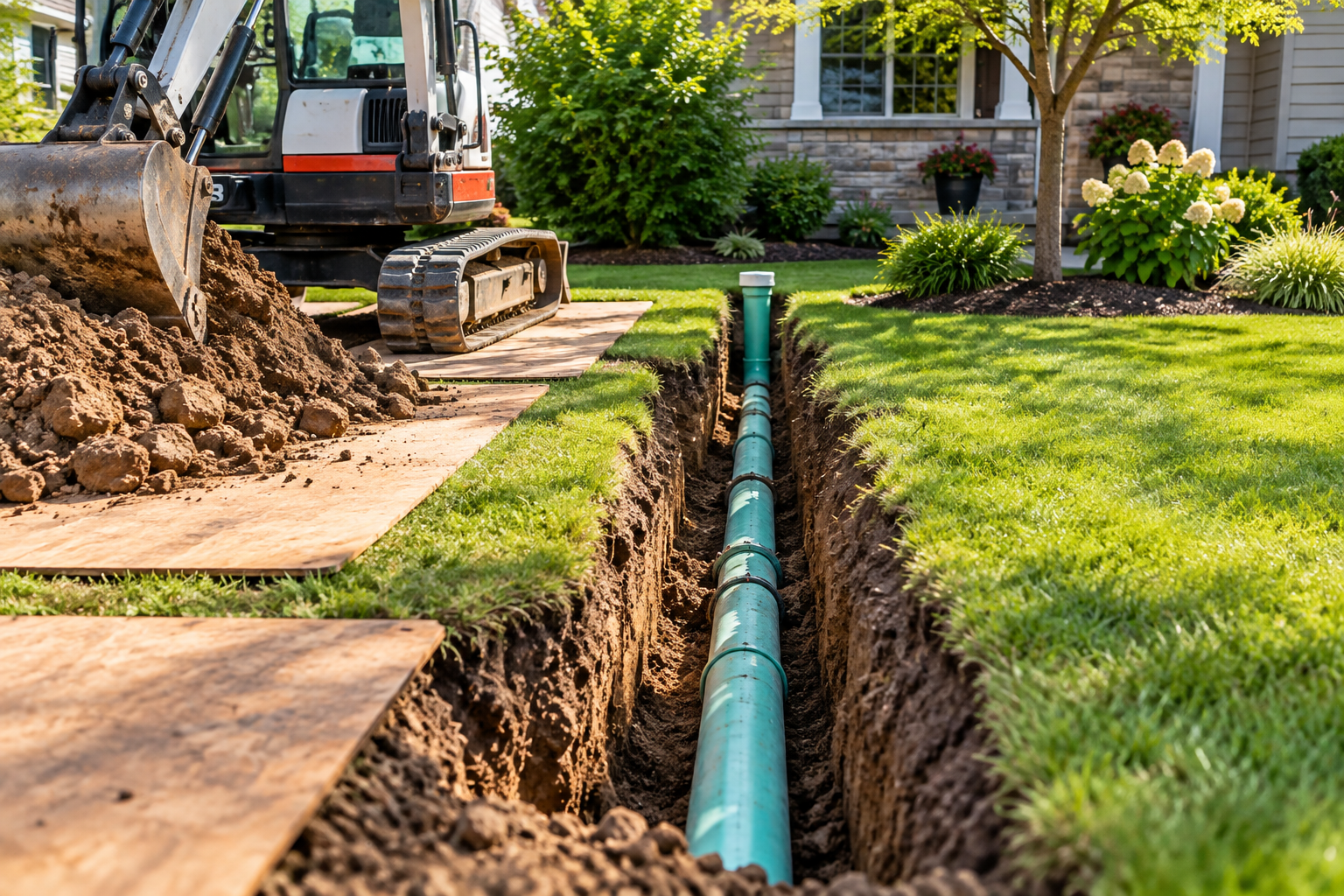
For decades, the standard method for fixing a broken underground pipe involved heavy machinery and significant excavation. Consequently, traditional sewer repair requires digging a long, deep trench across your property to expose the entire length of the damaged pipe. Once the pipe is accessible, workers can replace the broken section. However, this process is notoriously disruptive and comes with several major drawbacks.
The most obvious downside is the immense damage to your landscaping, driveway, patio, or any other surface above the sewer line. Furthermore, the project can take several days or even weeks to complete, leaving your yard in disarray. After the pipe is fixed, you are then left with the additional, often substantial, cost of restoring your property to its original condition. This includes refilling the trench, replanting grass, and repairing any hardscaping that was destroyed.
The Modern Alternative: An Introduction to Trenchless Technology
In contrast to the disruptive nature of traditional methods, trenchless technology offers a far more elegant solution. The most common form of this is Cured-in-Place Pipe (CIPP), a method that rehabilitates the existing pipe from the inside out. Essentially, it creates a brand-new, seamless pipe within the old one without the need for extensive digging. This innovative approach uses existing access points, such as a cleanout, to complete the entire repair.
This process involves inserting a flexible, resin-saturated liner into the damaged pipe. Once in place, the liner is inflated to press against the walls of the host pipe. It is then cured using hot water, steam, or UV light, which hardens the resin and forms a smooth, durable, and jointless new pipe. As a result, the structural integrity of your sewer line is fully restored, often making it stronger than the original pipe. This is why trenchless sewer lining Whitefish Bay residents prefer this method. For more details on this specific service, you can explore our primary trenchless sewer lateral repair solutions.
Why Choose a Trenchless Sewer Lining Whitefish Bay Service?
Homeowners are increasingly opting for trenchless solutions due to their clear advantages over conventional methods. Specifically, the benefits extend beyond just avoiding a trench in your yard. These modern repairs offer a superior return on investment in terms of time, money, and long-term performance. Therefore, it’s easy to see why it has become the preferred choice.
Key Advantages of CIPP Lining
- Minimal Disruption: The most significant benefit is the preservation of your property. Since only one or two small access points are needed, your lawn, garden, driveway, and walkways remain intact.
- Faster Project Completion: Most trenchless sewer lining projects can be completed in less than a day, compared to the several days or weeks required for traditional excavation and repair.
- Cost-Effective Solution: While the upfront cost can be comparable, trenchless repairs save you thousands of dollars in post-project restoration costs. There’s no need to pay for new landscaping or concrete work. Our sewer lateral repair cost guide provides more insight into these financial aspects.
- Durable and Long-Lasting: The epoxy resin used in CIPP liners creates a corrosion-resistant, seamless pipe that is rated to last for 50 years or more. This prevents future root intrusion and leakages.
- Improved Flow Capacity: The smooth, jointless interior of the new pipe reduces friction and waste buildup, often improving the flow capacity of your sewer system.
How Does the CIPP Lining Process Work?
Understanding the step-by-step process can help demystify how a pipe is repaired without digging. Importantly, the entire procedure is managed by skilled technicians using specialized equipment. The first and most critical step is a thorough diagnosis.
Initially, a technician will perform a detailed sewer camera inspection to pinpoint the exact location and nature of the problem. This video feed allows them to assess the pipe’s condition and confirm that it is a suitable candidate for lining. Following the inspection, the pipe is thoroughly cleaned using high-pressure hydro jetting to remove any blockages, roots, or debris. This ensures the new liner will adhere properly to the host pipe’s interior wall. After cleaning, the custom-sized, resin-saturated felt liner is inserted into the pipe and cured, hardening it into a new structural pipe. Finally, a post-repair camera inspection is conducted to verify the quality and success of the installation, ensuring your sewer line is fully restored.
Comparing Costs: Trenchless vs. Traditional
When evaluating repair options, cost is a primary factor for most homeowners. At first glance, the quote for a trenchless sewer lining Whitefish Bay project might seem similar to or slightly higher than a traditional one. However, this initial figure does not tell the whole story. The true cost of traditional repair includes extensive “soft costs” that are not part of the plumber’s bill.
For example, these additional expenses include hiring a landscaper to repair your lawn, a concrete contractor to fix your driveway, and potentially even the cost of staying in a hotel if the water must be shut off for an extended period. When you factor in these restoration costs, trenchless repair is almost always the more economical choice. Moreover, the speed of trenchless repairs means less disruption to your daily life. This is a key reason why this method provides superior value. Authoritative sources like the Environmental Protection Agency (EPA) also recognize the benefits of rehabilitating infrastructure in place to minimize community disruption and environmental impact. You can read more in their documentation on private sewer laterals.
What About Pipe Bursting?
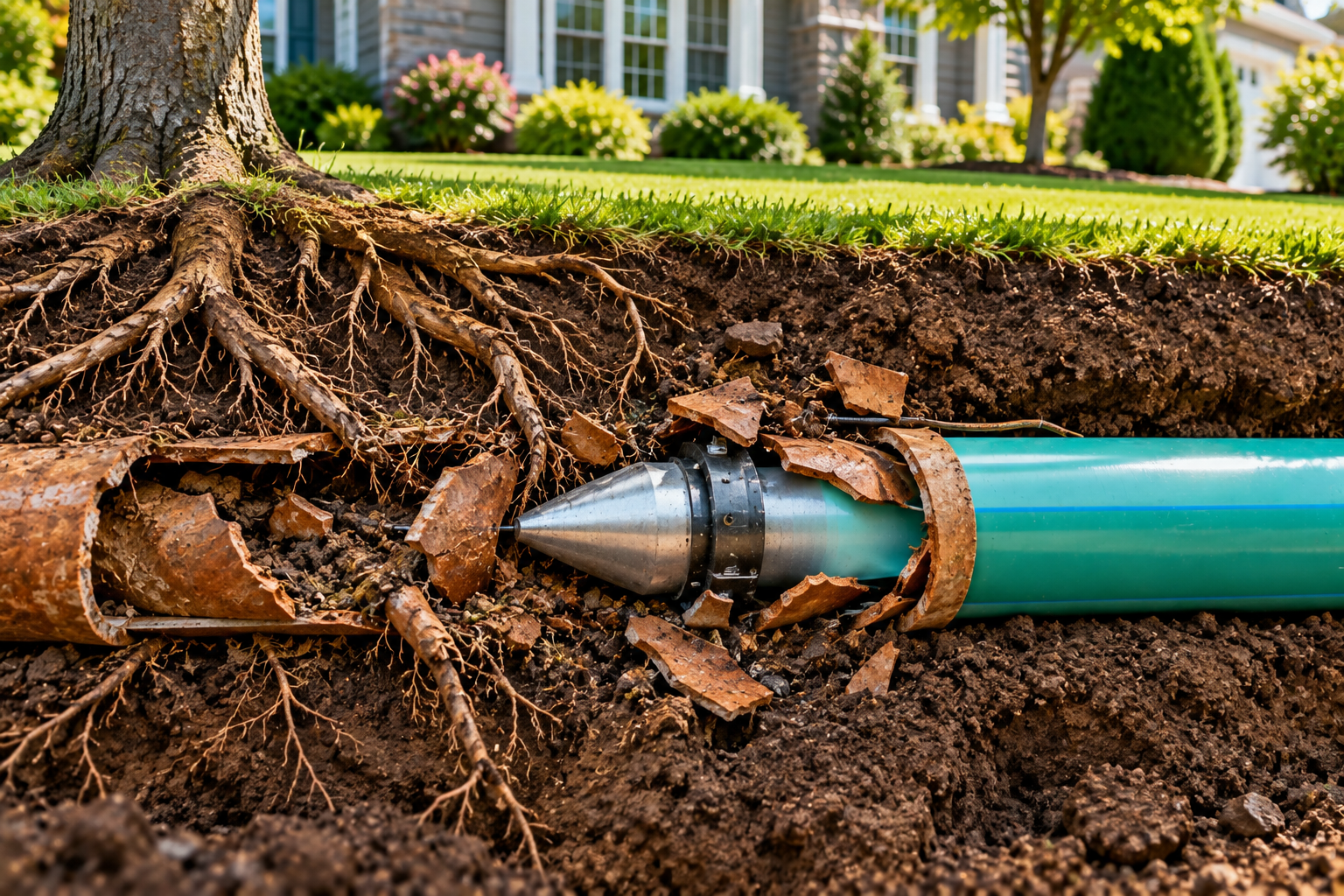
Another popular trenchless method is pipe bursting. Unlike lining, which rehabilitates the existing pipe, pipe bursting actually replaces it. This technique involves pulling a new, high-density polyethylene (HDPE) pipe through the old one. A “bursting head” is attached to the front of the new pipe, which fractures the old pipe outward as it is pulled through. This method is ideal for pipes that are too collapsed or damaged for lining. You can learn more about the differences on our pipe bursting service page.
Final Thoughts: Making the Right Choice for Your Whitefish Bay Home
Ultimately, the decision between traditional and trenchless repair comes down to weighing short-term processes against long-term value. While traditional methods are familiar, they are also invasive, time-consuming, and carry significant hidden costs for property restoration. For a durable, long-term solution, trenchless sewer lining Whitefish Bay is the clear winner for modern homeowners.
By choosing a trenchless approach, you invest in a faster, cleaner, and more durable solution that protects your property’s value and landscape. It restores your peace of mind with a 50-year life expectancy and improved system performance. If you are experiencing sewer problems, don’t wait for the issue to worsen. Take the next step toward a modern, no-dig solution. Our team is ready to help you find the best solution for your needs. Reach out through our contact page to get started.
Related Posts