How can I avoid expensive drain repairs? This guide covers simple habits and the value of pro drain cleaning to prevent costly issues. Contact us for pre...
Should I Remove A Tree Near My Sewer Line?
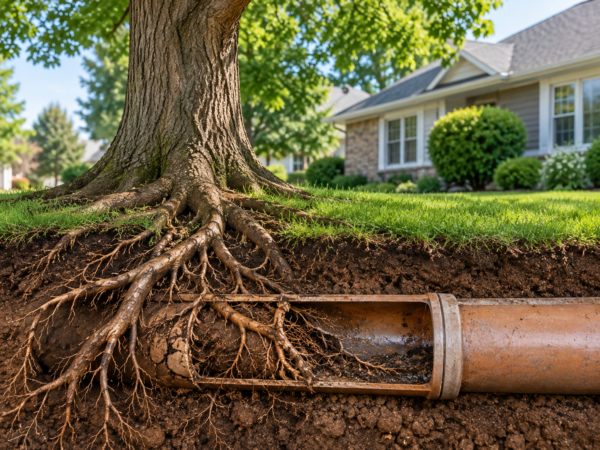 As a homeowner, asking “Should I remove a tree near my sewer line?” is a common and valid concern. Large, beautiful trees add significant value and curb appeal to a property, but their hidden root systems can pose a serious threat to underground plumbing. Consequently, balancing the health of your trees with the integrity of your sewer system is a critical task. This guide will walk you through the signs of trouble, the factors to consider, and the potential solutions available to you.
How Tree Roots Damage Sewer Lines
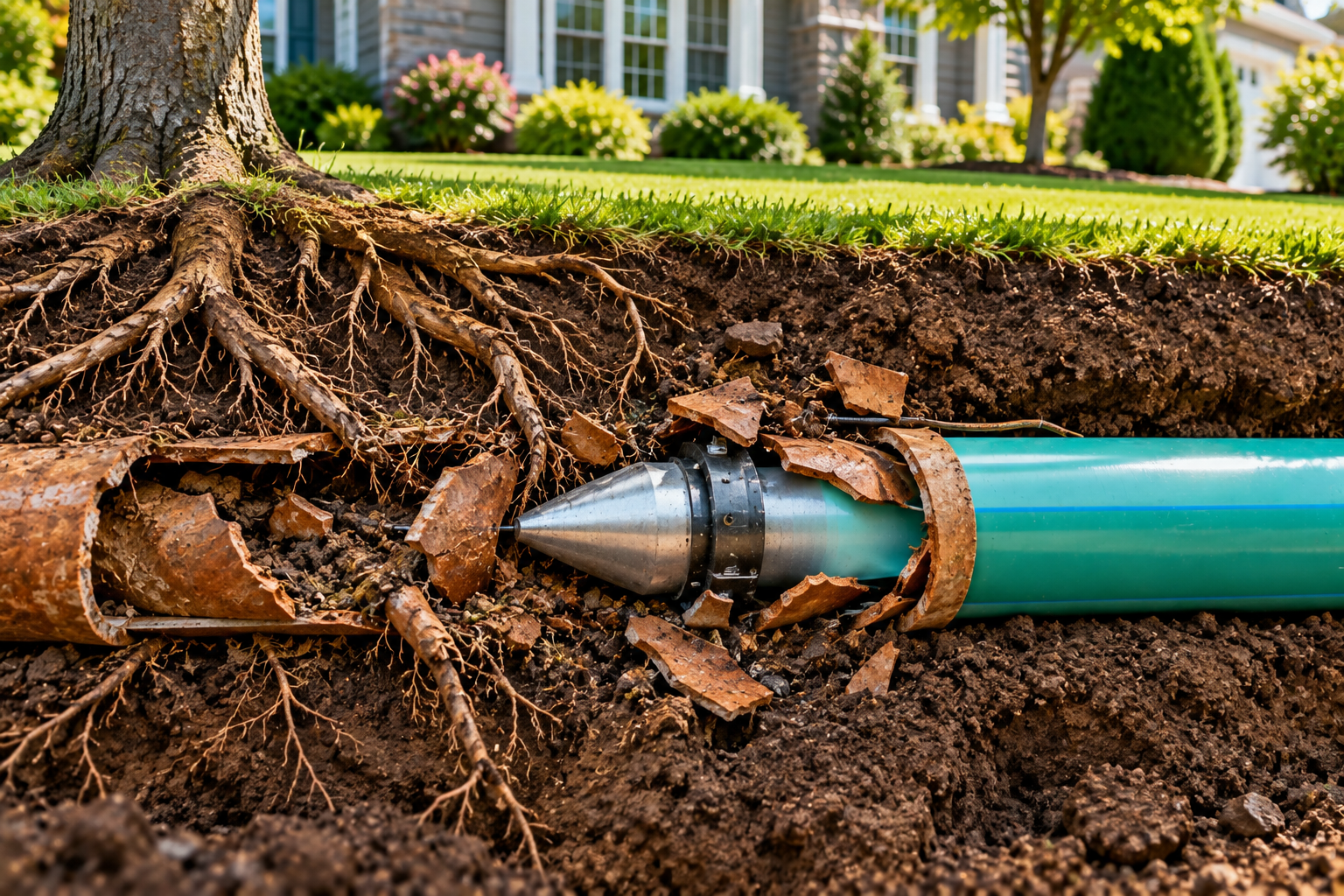
Tree roots are naturally drawn to sources of water and nutrients, and your sewer line is an ideal target. Even a tiny crack or a loose joint in a pipe can release water vapor, signaling to nearby roots that a consistent resource is available. Furthermore, the process of damage typically unfolds in stages. Initially, tiny, hair-like roots penetrate the pipe. Once inside, they thrive in the nutrient-rich environment and expand, acting like a wedge that widens the initial crack. Over time, these roots can form a dense mass, causing significant blockages and eventually leading to a complete pipe collapse.
What Are the Signs of Tree Root Intrusion?
Identifying a root problem early can save you from costly and disruptive repairs. Therefore, it’s crucial to be aware of the warning signs that roots are interfering with your sewer lateral. If you notice any of the following symptoms, it is time to investigate further.
- Slow Drains: If multiple drains in your home, particularly on the lowest level, are draining slowly, it could indicate a blockage in the main sewer line rather than an isolated clog.
- Gurgling Noises: Strange gurgling sounds from your toilets or drains often occur when air is trapped in the plumbing system by a partial blockage, a common result of root intrusion.
- Recurring Clogs: Are you frequently dealing with backups even after having your drains cleared? This is a strong indicator that a persistent issue like tree roots is the underlying cause of your recurring drain clogs.
- Unusual Yard Conditions: A sudden, unexplained patch of lush, green grass or a sunken area in your yard above the sewer line can signal a leak caused by root damage.
- Sewage Backups: The most severe and unpleasant sign is a sewage backup into your home. This indicates a major blockage that requires immediate professional attention.
Key Factors in Deciding: Should I Remove a Tree Near My Sewer Line?
The decision to remove a tree is not always straightforward. Several factors must be weighed to determine the best course of action. Importantly, a professional evaluation is often necessary to make a fully informed choice. Answering the question, “Should I remove a tree near my sewer line?” requires a careful look at the specifics of your situation.
Proximity and Tree Species
The distance between the tree and the sewer line is a primary consideration. As a general rule, trees with aggressive root systems should not be planted within 10 feet of a sewer line. Some trees, like willows, silver maples, and poplars, are notorious for having invasive roots that actively seek water. In contrast, other species have less aggressive root structures. Authoritative sources like the Arbor Day Foundation provide excellent guidance on selecting and placing trees to avoid future infrastructure conflicts.
Severity of the Damage
The extent of the root intrusion is a critical factor. Minor infiltration might be manageable with routine maintenance. However, if the roots have caused the pipe to crack, collapse, or become severely misaligned, more drastic measures may be needed. The only way to know for sure is with a professional sewer camera inspection. This technology allows a technician to see the exact condition of the pipe’s interior, pinpointing the location and severity of the root problem without any excavation.
Age and Material of Your Pipes
The type of sewer pipes you have also plays a role. Older homes often have pipes made of clay tile or cast iron, which are highly susceptible to root intrusion at their numerous joints. Modern PVC pipes, in contrast, have fewer, more tightly sealed joints, making them more resistant to root damage. If you have older pipes, you are at a much higher risk for problems.
Alternatives to Tree Removal
Fortunately, removing the tree is not your only option. Modern plumbing technology offers several effective solutions that can save both your tree and your pipes. For example, regular maintenance can often keep the problem at bay. Professional hydro jetting uses high-pressure water to scour the inside of the pipe, effectively cutting through and flushing out root masses. This can be a recurring maintenance task to manage the issue.
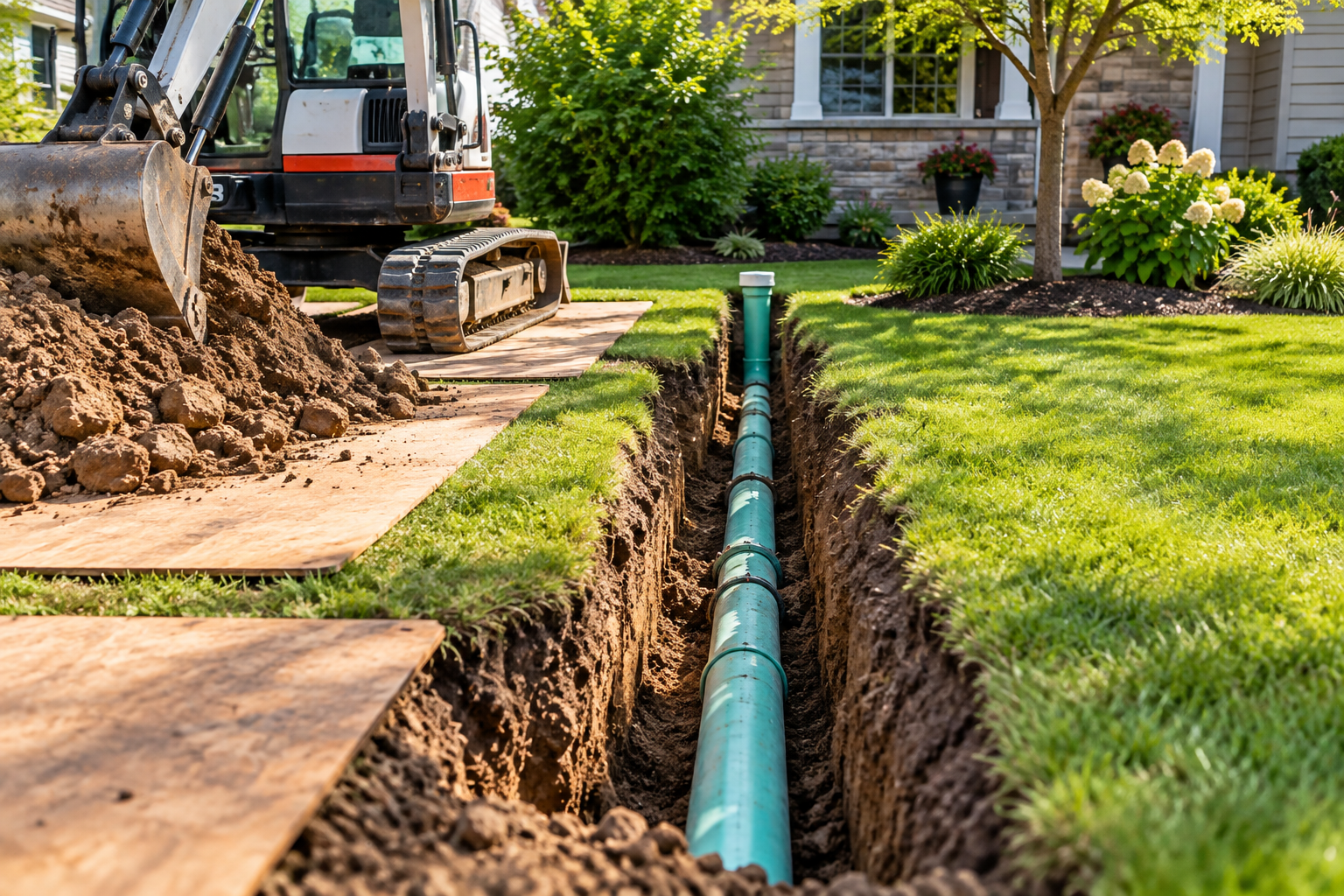
For a more permanent fix, consider trenchless repair methods. Techniques like Cured-in-Place Pipe (CIPP) lining create a new, seamless pipe within the old, damaged one. This structural liner seals off all cracks and joints, preventing roots from re-entering without requiring extensive digging. These trenchless sewer repair methods are often the ideal compromise, resolving the pipe issue while preserving your valuable landscaping.
Key Takeaways: Making the Right Decision
Ultimately, the choice of whether you should I remove a tree near my sewer line depends on a combination of factors: the tree species, its proximity to the line, the pipe material, and the extent of the damage. While a beautiful, mature tree is a great asset, a functioning sewer system is a necessity. Start by looking for the common warning signs of root intrusion, such as slow drains and gurgling sounds. If you suspect a problem, the most crucial step is to schedule a professional sewer camera inspection. This diagnostic tool provides the clear evidence needed to decide between management strategies like hydro-jetting, permanent solutions like pipe lining, or, as a last resort, tree removal. Don’t guess when it comes to your property’s essential systems. Contact a professional today to get a clear diagnosis and explore your options.
Related Posts