Wondering is a sewer camera inspection worth the money? Discover how this diagnostic tool finds hidden pipe problems and can save you thousands. Contact us!
Why Does My Sewer Keep Backing Up?
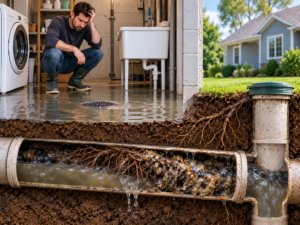 Dealing with a sewer backup is a homeowner’s nightmare, creating mess, stress, and potential health hazards. When it happens repeatedly, the frustration mounts, leaving you to ask, why does my sewer keep backing up? The answer isn’t always simple. While a one-time clog might be a minor issue, recurring backups often signal a more significant problem within your plumbing system. Understanding the potential causes is the first step toward finding a permanent solution.
The Difference Between a Simple Clog and a Main Sewer Line Backup
First, it’s crucial to determine if you’re facing an isolated clog or a main line issue. A simple clog typically affects a single fixture. For example, your kitchen sink might drain slowly after you’ve washed greasy pans. In contrast, a main sewer line backup impacts your entire home’s plumbing. You might notice that flushing a toilet causes water to gurgle up in your shower drain, or multiple fixtures drain slowly at once. These are clear signs that the blockage is in the main sewer lateral—the pipe connecting your home to the municipal sewer system.
Answering the Question: Why Does My Sewer Keep Backing Up?
If you’ve identified the problem as a main line issue, several culprits could be responsible. These problems go beyond simple drain snakes and often require professional intervention. Furthermore, ignoring them can lead to more severe damage and costly repairs down the line. Let’s explore the most common reasons for persistent sewer backups.
1. Severe Blockages in the Pipe
Over time, materials can accumulate inside your sewer line, creating stubborn blockages that a simple snaking can’t clear. Fats, oils, and grease (FOG) are major offenders. When poured down the drain, they cool, solidify, and stick to the pipe walls, gradually narrowing the passage. Additionally, foreign objects like paper towels, feminine hygiene products, and even so-called “flushable” wipes do not break down and can create massive clogs. As a result, wastewater has nowhere to go but back into your home.
2. Invasive Tree Root Infiltration
Tree roots are naturally drawn to the water and nutrients inside your sewer lines. They can exploit tiny cracks or loose joints in the pipes, growing into a dense mat that catches debris and obstructs flow. This is one of the most common and destructive causes of recurring backups, particularly in homes with older, more vulnerable pipe materials like clay. Eventually, the roots can exert enough pressure to break the pipe entirely. For more information on this, the Environmental Protection Agency (EPA) highlights root intrusion as a primary cause of blockages.
3. Damaged, Sagging, or Broken Sewer Lines
Your home’s sewer lateral can suffer from physical damage over the years. Older pipes made of cast iron or clay can corrode, crack, or collapse due to age and soil conditions. Sometimes, a section of the pipe may sink or develop a “belly,” creating a low spot where waste and water collect and form a blockage. Consequently, until this structural flaw is fixed, you will continue to experience backups. Investigating potential sewer lateral repair costs can help you budget for this type of critical fix.
What Are the Warning Signs of an Impending Sewer Backup?
Fortunately, your plumbing system often provides clues before a complete and catastrophic backup occurs. Recognizing these signs allows you to act before you have a major mess on your hands. Importantly, you should call a professional if you notice any of the following:
- Multiple Slow Drains: If sinks, tubs, and toilets throughout your home are draining slowly, it points to a main line issue.
- Gurgling Sounds: Strange gurgling noises from your drains or toilets often indicate that air is trapped in the system by a blockage.
- Water Backups in Unusual Places: A classic sign is water appearing in the shower or tub when you flush a toilet or run the washing machine.
- Foul Odors: Persistent sewer gas smells coming from your drains mean the system isn’t venting properly, likely due to a clog.
- Sewage in Your Floor Drain: If you see water or raw sewage coming up through your basement floor drain, the problem is urgent.
Professional Solutions for Recurring Sewer Backups
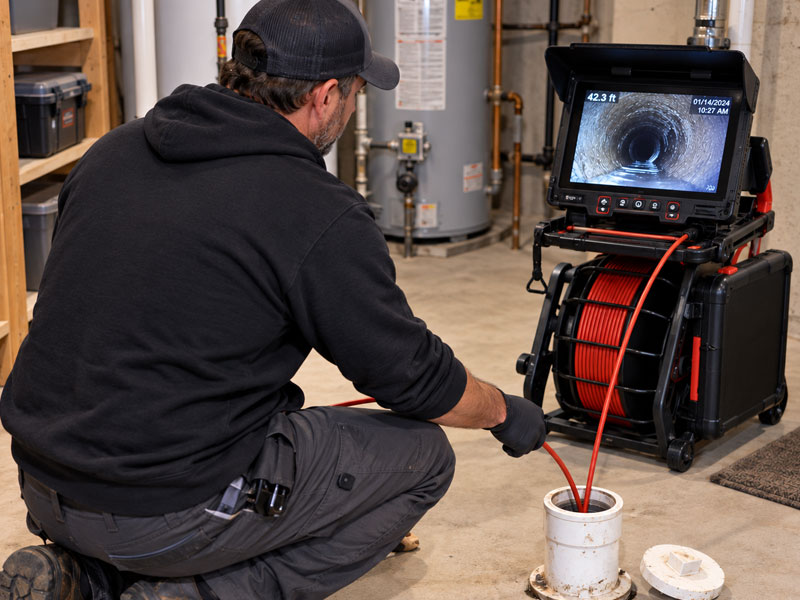
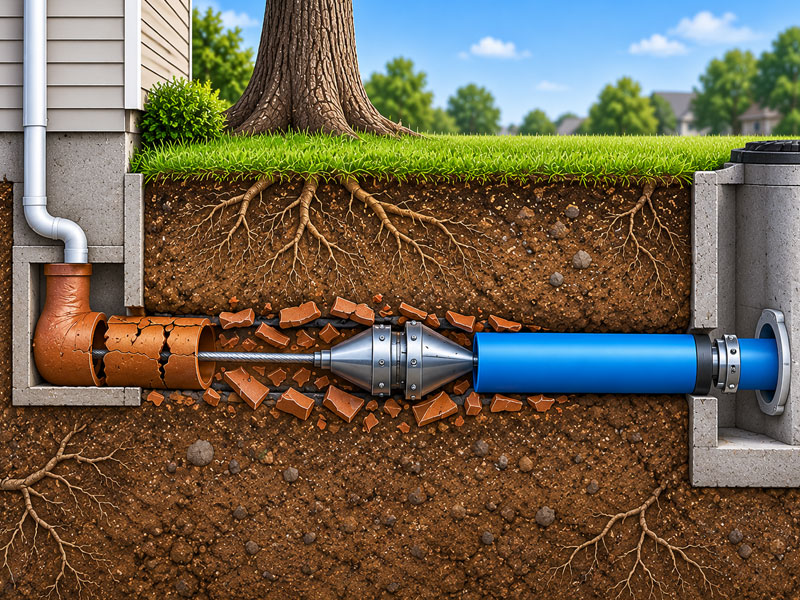
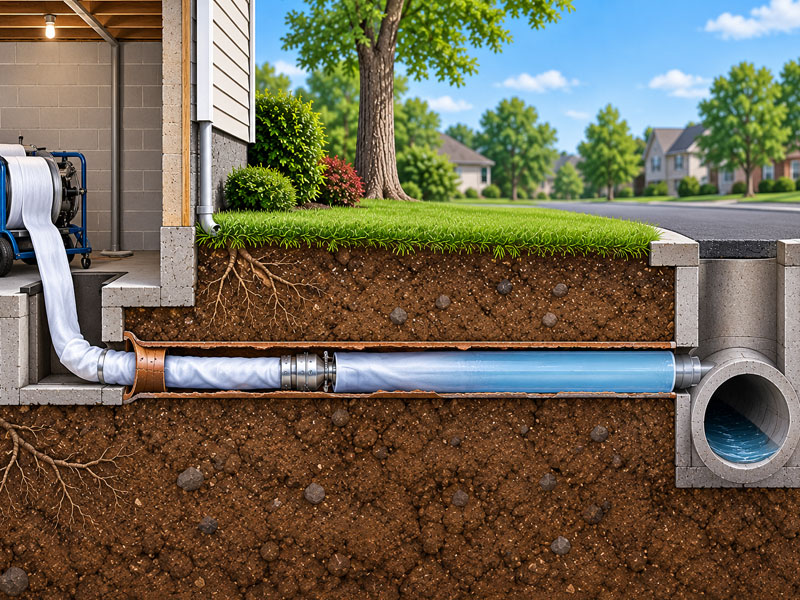
When you’re tired of asking, “why does my sewer keep backing up?”, it’s time for a professional diagnosis. A licensed plumber has the tools and expertise to find the root cause and recommend a lasting solution. The most effective approach begins with a sewer camera inspection. This technology involves feeding a high-resolution camera into your pipe to see the exact location and nature of the problem, whether it’s roots, a collapse, or a severe clog. Once the issue is identified, the right solution can be deployed. For example, for tough grease and sludge blockages, hydro jetting is far more effective than snaking, as it uses high-pressure water to scour the pipe walls clean. If the pipe is broken, modern trenchless methods can often repair it without destroying your yard.
Final Thoughts on Preventing Sewer Backups
In conclusion, recurring sewer backups are a serious issue that should never be ignored. The primary causes—severe clogs, tree roots, and broken pipes—require more than a bottle of chemical drain cleaner. By being mindful of what you put down your drains and watching for the early warning signs, you can often prevent a major disaster. However, if you find yourself repeatedly dealing with this messy problem, the most important step is to seek professional help. A thorough inspection is the only way to stop guessing and finally get an answer to the question, why does my sewer keep backing up? Don’t wait for the next backup to cause damage. Contact a professional plumber today to diagnose and resolve your sewer line issues for good.
Related Posts